

Is Car Key Insurance Worth It for UK Drivers?

Losing a car key can stop the day immediately. You may be outside your home with no spare, parked at work, or stranded miles from where the key went missing. Car key insurance may reduce the cost of putting things right, but the level of help available depends entirely on the policy, the vehicle and the circumstances.
For drivers across the West Midlands, the useful question is not simply whether a policy includes keys. It is whether it will get you back into your car and provide a working replacement quickly enough when you need it.
What does car key insurance usually cover?
Car key insurance is cover for the cost of replacing, repairing or recovering vehicle keys after loss, theft or accidental damage. It may be sold as a standalone policy, included with breakdown cover, added to motor insurance or offered through a packaged bank account. The wording varies, so never assume two policies provide the same protection.
Depending on the provider, cover can include locksmith attendance, replacement keys and remote fobs, key programming, vehicle recovery, hire-car costs or onward travel. Some policies also cover keys stolen from your home or workplace.
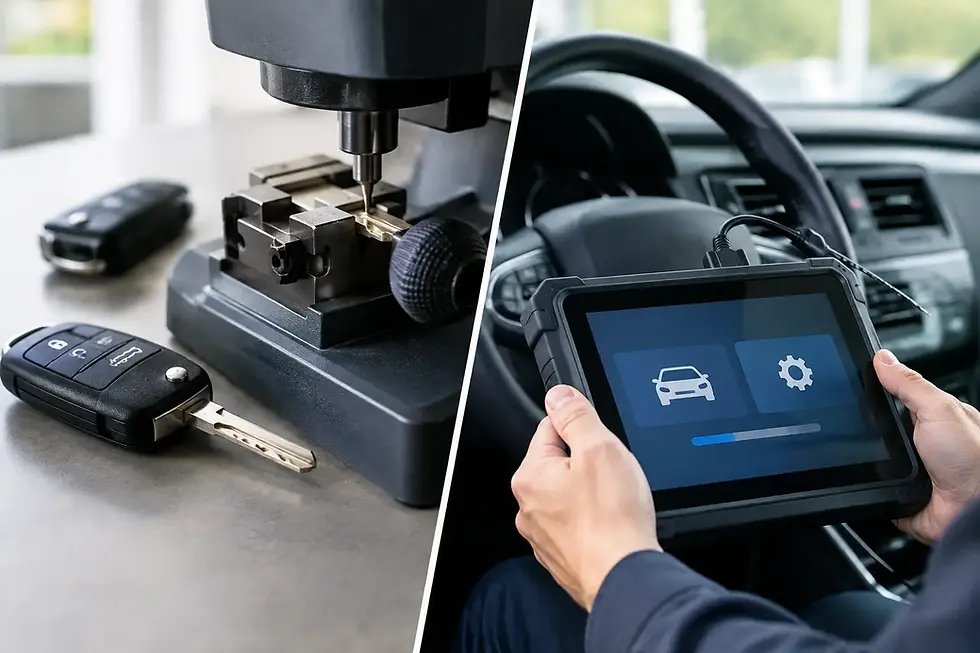
The most valuable part of the cover is often the replacement of a modern electronic key. A basic mechanical key is one thing; a remote, proximity or smart key usually needs cutting and programming to the vehicle. On many cars, the old key may also need removing from the vehicle's memory for security.
Where cover can fall short
The detail matters most when all keys are lost. Many policies set a maximum claim value, and this may not cover every cost on vehicles with high-security key systems, keyless entry or dealer-only procedures. An excess can also apply, meaning you still pay part of the bill yourself.
Check whether the policy covers the following before relying on it:
lost keys as well as stolen or damaged keys
replacement remote fobs and transponder programming
emergency entry when the keys are locked inside
all-keys-lost situations, not only a spare-key replacement
call-out charges, recovery and travel costs
the maximum number of claims allowed in a year
There can be conditions around theft too. An insurer may ask for a crime reference number, and cover can be affected if keys were left unattended in a vehicle or in circumstances the policy describes as insecure. Policies may also exclude routine wear, flat remote batteries and faults caused by water damage or accidental misuse.
Will claiming affect your motor insurance?
It depends on how the cover is arranged. A standalone key policy is usually separate from your main motor insurance, while key cover included within a comprehensive motor policy may have different rules on excesses and no-claims discounts. Read the policy schedule or speak to the insurer before making assumptions.
There is also a practical decision to make. If the excess is close to the cost of the work, making a claim may not be worthwhile. The insurer may also require you to use an approved supplier, obtain authorisation before work starts or pay first and claim back later. In an urgent lockout, those details can affect how quickly you are able to act.
Lost, locked in or damaged: the right response
A lost key needs a different response from a key locked inside the car. If the key is in the vehicle, a professional auto locksmith can often gain entry using non-destructive methods, avoiding forced windows, damaged door seals or unnecessary repairs. Once access is restored, you may simply need the key retrieved.
If the key is lost, the priority is a replacement that starts the vehicle, not just a blade that opens the door. Modern vehicles use transponders and electronic security systems. A mobile auto locksmith can identify the vehicle from its registration and assess what key type, programming and security work are required.
With a damaged key, do not keep forcing it into the ignition or door. A cracked blade, failed buttons or an intermittent keyless fob can worsen without warning. If the car still starts, arranging a spare or replacement before total failure is usually less disruptive and often simpler than waiting until you have no working key.
How a mobile locksmith service helps
A dealership may be able to order a replacement, but it can mean recovery, appointments and time without the car. A properly equipped mobile auto locksmith can attend at your home, workplace or roadside location, cut the key and programme it on site for most vehicles on UK roads.
The process normally begins with the vehicle registration, location and a clear description of the issue. You will be asked for proof that you own or are authorised to use the vehicle. This protects drivers and ensures security work is carried out responsibly.
For a spare key, the job can often be straightforward when one working key is available. For an all-keys-lost job, the technician may need to access vehicle modules, decode locks, create a new key and programme it to the immobiliser. Many jobs take around 30 to 60 minutes once the correct solution is confirmed, but some makes, models and security systems take longer.
Transparent pricing matters here. The right quote is based on the vehicle registration and the service required, not a vague promise that changes when the technician arrives. Ask whether the price includes call-out, key cutting, programming, remote functions and VAT where applicable.
Is car key insurance worth paying for?
For a driver with a simple older vehicle and a spare key at home, standalone cover may not be essential. Putting money aside for unexpected repairs could be the better choice, especially if the policy has a high excess or a low claim limit.
For owners of newer cars with smart keys, keyless entry or expensive remote fobs, it can be more attractive. One replacement can cost significantly more than a conventional key, particularly when programming and emergency assistance are involved. The same applies to drivers who rely on their car every day for work, school runs, caring responsibilities or travel.
The best way to judge value is to compare the annual premium and excess against a realistic replacement cost for your vehicle. Then look at how the policy handles an emergency. A cheap policy is less useful if it excludes mobile attendance, requires recovery first or only reimburses you after a lengthy process.
Reduce the chance of needing to claim
Insurance is useful after a problem, but a spare working key is often the simplest protection against disruption. Keep it somewhere safe away from the vehicle, rather than in the glovebox or the same bag as your main key. Test it occasionally, including the remote buttons, so you do not discover a fault when your main key has already disappeared.
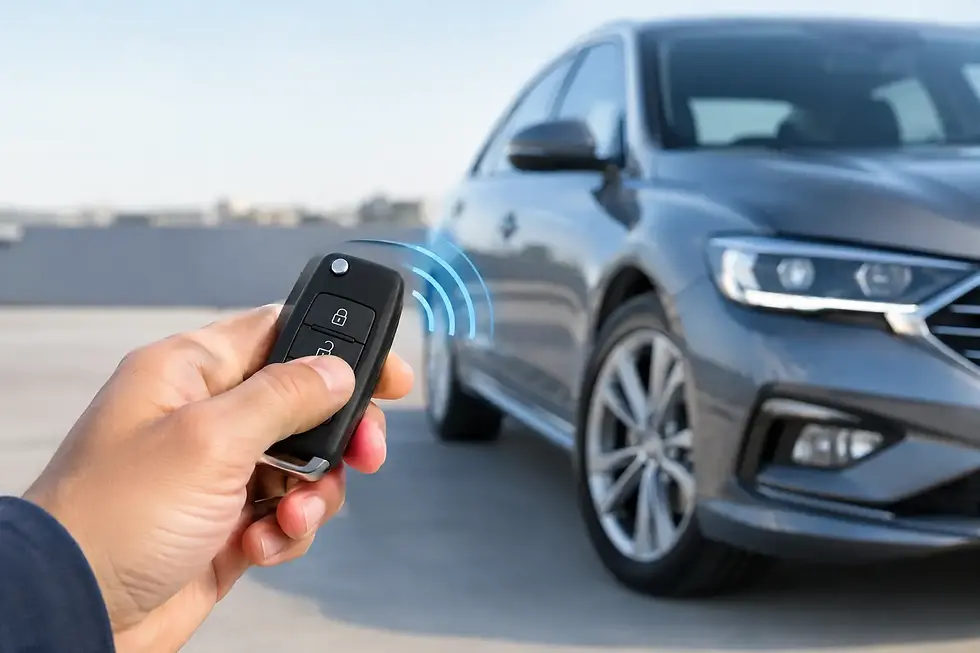
Avoid leaving keys near doors and windows where keyless signals may be vulnerable to relay theft. For keyless vehicles, use a signal-blocking pouch or store the key away from the front of the property. If a key is stolen, tell your insurer and arrange for a professional to assess whether the missing key should be deleted from the vehicle's system.
Keep a note of your vehicle registration, insurer's claims number and policy details somewhere separate from the keys. If you are locked out or lose every key, this saves time when arranging help and obtaining a quote.
Before you need help
Car key insurance can be worthwhile, but it is not a replacement for checking the small print or keeping a spare key. Know your claim limit, excess and emergency procedure before a lost key turns into a stressful wait. If you are stranded in Wolverhampton, Birmingham, Walsall, Dudley or the wider West Midlands, Ro Driveline can provide professional mobile assistance, non-destructive entry and on-site replacement key programming - call now for a clear quote based on your vehicle registration.

Comments