
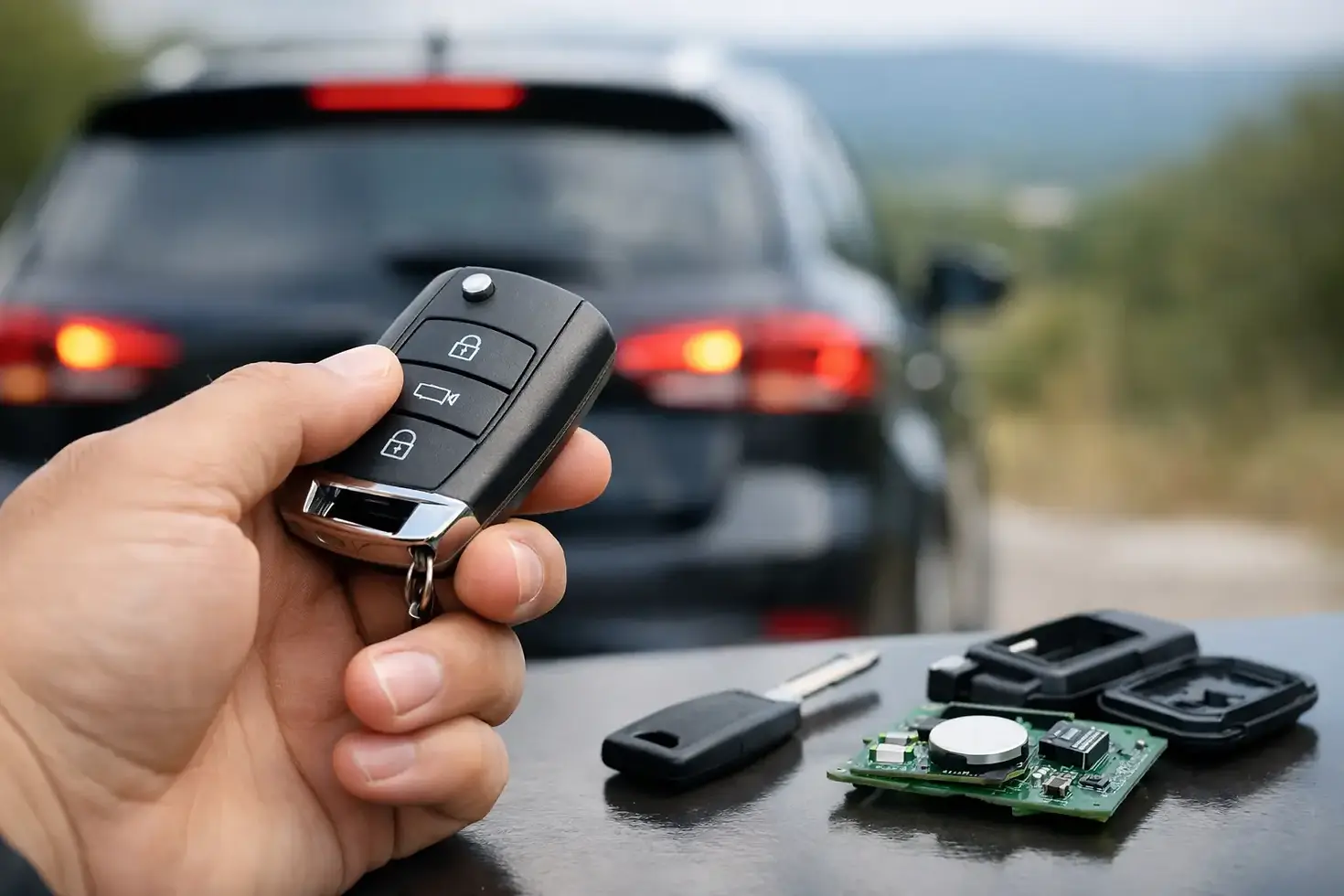
Remote Key Synchronisation Guide for UK Drivers

Your car may still start, but the buttons on the key no longer lock or unlock it. Or perhaps the remote stopped working after a flat battery, a fob battery change or several presses out of range. This remote key synchronisation guide explains the sensible checks to make first, when a key needs professional programming, and how to avoid turning a small fault into a no-start situation.
For drivers across the West Midlands, this is more than an inconvenience. A remote that will not work can leave you outside your car in the rain, unable to secure it at work, or locked out when you need to collect the children. The right fix depends on the vehicle and the type of key, so a calm, methodical approach saves time.
What remote key synchronisation actually means
A modern car key often performs two separate jobs. The remote-control section sends a radio signal to operate the central locking, boot release or alarm. The transponder chip inside the key communicates with the immobiliser, allowing the engine to start.
Synchronisation usually refers to restoring the connection between the remote buttons and the car's locking system. Programming can mean adding, replacing or authorising the key's immobiliser chip as well. They are not always the same task.
That difference matters. If your key starts the car but will not lock it remotely, the issue may be limited to the fob battery, remote circuit or remote synchronisation. If the car unlocks but displays an immobiliser warning or will not start, it may need diagnostic work and transponder programming. Avoid assuming that one generic online procedure will resolve both faults.
Some vehicles can relearn a remote through a specific sequence using the ignition, door lock or existing working key. Others require professional diagnostic equipment. The correct method varies by make, model, year and key system.
Check the simple causes before trying to resynchronise
Before attempting a remote key synchronisation procedure, rule out the common causes. This takes only a few minutes and prevents unnecessary programming work.
Fit a new, good-quality battery of the correct type. Check the battery is facing the right way and the metal contacts are clean and firmly touching it.
Try the spare key, if you have one. If the spare works, the fault is likely with the original fob rather than the car.
Stand close to the vehicle and try every button. A weak battery can reduce the signal range before it fails altogether.
Check whether the car battery is flat or weak. Central locking, alarm systems and keyless entry can behave unpredictably when vehicle voltage is low.
Look closely at the case as well. A key that has been dropped, washed, crushed in a pocket or exposed to moisture may have damaged buttons or a cracked circuit board. Changing the battery will not repair physical damage inside the fob.
If the buttons feel loose, only work when pressed very hard, or the key rattles internally, stop repeatedly forcing it. A damaged fob can sometimes be repaired or transferred into a replacement case, but that depends on the condition of the electronics.
Safe steps for remote key synchronisation
Your vehicle handbook is the best starting point for any manufacturer-approved resynchronisation method. If it gives a clear procedure for your exact vehicle, follow it carefully and use the key it specifies.
A common type of procedure involves sitting in the vehicle, switching the ignition on and off in a particular order, then pressing a remote button within a short time. Other cars use the door lock, driver information display or keyless start button. The order and timing are often very specific.
Do not guess the sequence or use instructions intended for a similar-looking car. Manufacturers frequently change key systems between model years, trim levels and even production dates. A method for an older vehicle may not apply to a newer version with keyless entry.
Keep all available keys with you if the handbook tells you to begin a learning process. On certain systems, adding or programming one key can affect whether other keys remain recognised. A professional locksmith will check this before starting and test every supplied key afterwards.
If a remote battery has just been replaced, give the key a moment before testing. Then try it at the driver's door from close range. If there is no response, use the mechanical emergency blade where fitted to gain access without damaging the vehicle. Do not force the blade if it will not turn. The door lock may be stiff, or the blade may not have been cut correctly.
When a DIY reset is unlikely to work
A reset is not a cure for every remote fault. It is time to arrange professional help when the car has no working keys, the remote has been water damaged, the vehicle will not start, or the keyless system reports a fault. The same applies when you have fitted a replacement fob bought separately and it has never been programmed to the vehicle.
Aftermarket and used keys are a particular grey area. Some can be prepared and programmed correctly, while others are locked to a previous vehicle, are the wrong frequency, or contain poor-quality electronics. The cheapest option can become expensive if it cannot be made compatible. Checking the vehicle registration first helps identify the right key type and provide an accurate quote.
A lost-all-keys job is different from making a spare. With a working key present, a technician can often use it to confirm the system and add another authorised key. When every key is missing, the vehicle may need to be accessed non-destructively, the lock or key data decoded, a new blade cut and the replacement key programmed from scratch.
Professional remote key synchronisation at your location
A mobile auto locksmith can diagnose whether the problem is the remote signal, fob battery, key chip, car battery, receiver or programming status. This avoids replacing a key when a smaller repair is possible, while also avoiding repeated trial-and-error resets that achieve nothing.
For suitable vehicles, Ro Driveline can attend at your home, workplace or roadside location with key-cutting, diagnostic and programming equipment. The aim is straightforward: assess the fault, gain entry without vehicle damage where required, supply or repair the correct key solution, and test locking, starting and keyless functions before leaving.
Most straightforward spare-key and remote programming work takes around 30 to 60 minutes once the correct key is available. Lost-key situations, damaged locks and certain high-security systems can take longer. A clear quote based on the vehicle registration is the practical way to establish availability, likely timescale and cost before work begins.
Remote key synchronisation guide: common questions
Will resynchronising my remote make the car start?
Not necessarily. Remote synchronisation normally restores central locking functions. Starting the vehicle depends on the immobiliser transponder or smart-key authorisation. If the engine will not start, the key may need separate programming or the vehicle may have another fault.
Why did my remote stop working after I changed the battery?
The battery may be installed incorrectly, the replacement may be weak, or the contacts may not be touching properly. On some vehicles, the remote also needs a short resynchronisation procedure after power is interrupted. If the key was working before the change and is now completely dead, inspect the battery terminals and fob case before assuming programming has been lost.
Can a locksmith programme a replacement remote without the original?
In many cases, yes. The process depends on the vehicle, key type and whether any working keys remain. A mobile locksmith can identify the correct replacement and programme it on site for the vast majority of vehicles on UK roads.
Is it safe to use the mechanical key in the door?
Yes, provided it is the correct blade and turns normally. On some cars, opening the door mechanically may trigger the alarm until the key is recognised in the ignition or by the start system. If the blade will not turn, do not force it, as this can damage the lock.
A remote fault does not need to disrupt your whole day. If the basic checks have not restored the key, request immediate assistance or a free quote with your registration and location. The right diagnosis gets you securely back into your car and back on the road without an unnecessary dealership visit.


Comments