

How to Unlock Car Safely Without Causing Damage

Standing beside a locked car with the keys visible on the seat is frustrating. Knowing how to unlock car safely starts with one rule: do not force the door, glass or lock. A rushed DIY attempt can turn a straightforward lockout into a damaged seal, broken window, faulty lock or an expensive electrical repair.
For drivers across the West Midlands, the safest route is usually to pause, check the simple causes, then arrange professional non-destructive entry if access is still not possible. This protects the vehicle and gets you moving again without unnecessary recovery or a dealership visit.
First, check whether there is a safe simple solution
Before calling for assistance, take a minute to check every door and the boot. On some vehicles, one door may not have locked correctly, or a keyless system may have failed to recognise the fob at one side of the vehicle. If you have a spare key at home, ask someone you trust to bring it only if doing so will be quicker and practical.
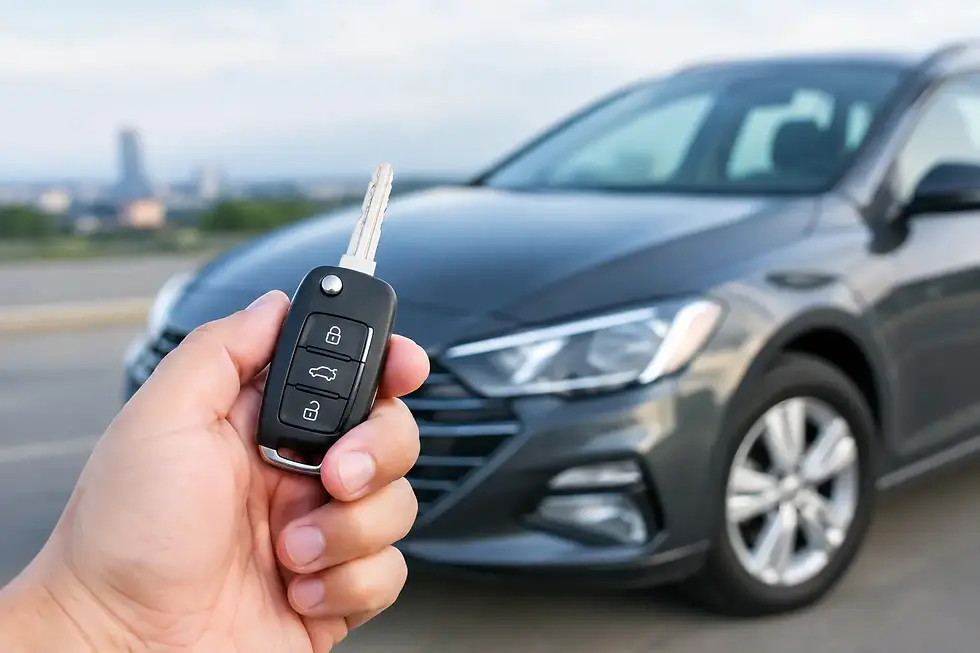
If your car uses a remote fob, try the vehicle manufacturer's emergency entry method shown in the handbook. Many fobs contain a mechanical emergency blade, although the position of the key slot varies by make and model. On some cars it is visible; on others it is behind a small cover on the door handle. Use only the correct key blade and the procedure intended for your vehicle.
A flat fob battery can be part of the problem, but it does not always mean the car battery is flat. Some keyless vehicles have a designated area where the fob can be held to start the engine after entry. Your handbook can confirm this. If the fob has been wet, dropped or has stopped working completely, a replacement or programmed spare may be the more reliable fix.
How to unlock car safely when the keys are inside
If the keys are locked in the car, avoid improvised tools. Coat hangers, screwdrivers, wire hooks and wedges can scratch paintwork, bend the door frame, tear weather seals and damage side airbags or wiring concealed inside the door. Modern locking systems are also more complex than they appear. What looks like a quick gap around a door can become a costly repair.
A qualified mobile auto locksmith uses vehicle-appropriate entry methods designed to gain access without damaging the car. The exact approach depends on the make, model, age and locking system. A technician will normally confirm ownership, assess the vehicle, choose the least invasive method and check that the door, locking system and key all operate correctly afterwards.
This is particularly valuable with newer cars using deadlocks, keyless entry, alarm systems or electronic steering locks. There is no single safe method that suits every vehicle, which is why general online tricks are a poor substitute for professional equipment and experience.
If a child, pet or vulnerable person is inside
Treat this differently from an ordinary lockout. If a child, pet or vulnerable person is trapped inside and there is any immediate risk from heat, cold, distress or a medical condition, call 999 straight away and explain the situation clearly. Do not spend valuable time attempting entry yourself.
Where there is no immediate danger but fast access is still needed, call a 24/7 mobile auto locksmith as well. Give the vehicle registration, location, make and model, and explain who is inside. Accurate information helps the technician prepare before arrival.
When your key is lost, broken or will not work
A lost key is not simply a door-access problem. Once inside, you still need a key that starts the vehicle and communicates correctly with its immobiliser. For many cars, that means cutting a replacement key and programming its transponder or remote on site.
A broken key needs careful assessment too. If part of the blade is stuck in the ignition or door lock, do not push it further in or try to glue it back together. That can damage the lock barrel and make extraction more difficult. A locksmith can remove the broken piece, cut a replacement and test the ignition operation.
With keyless fobs, symptoms can be misleading. The car may fail to detect the fob because of a drained battery, damaged circuit board, signal fault or vehicle-side issue. A professional diagnostic check identifies whether the fob can be repaired, needs programming or should be replaced.
What professional mobile entry involves
A reputable auto locksmith should be clear about the process before work begins. You will usually be asked for the vehicle registration so the correct vehicle details can be checked and an upfront quote can be provided. You should also be ready to show proof that you own the vehicle or are authorised to access it.
On arrival, the technician confirms the vehicle, assesses the fault and carries out non-destructive entry wherever possible. If keys are unavailable, professional key-cutting and programming equipment can often create a working replacement at your home, workplace or roadside location. This avoids arranging recovery simply to visit a dealer.
Timing depends on the vehicle and the issue. A straightforward lockout can often be resolved promptly once the technician arrives. Replacement key programming commonly takes around 30 to 60 minutes, while all-keys-lost work may take longer because the vehicle's security system must be accessed, a key must be cut and the new key programmed correctly.
Ro Driveline provides this type of mobile assistance across Wolverhampton, Birmingham, Walsall, Dudley and the wider West Midlands, with professional equipment for most vehicles on UK roads.
Avoid these common mistakes after a lockout
Do not repeatedly press the remote buttons if the fob is wet or visibly damaged. This can make a failing fob harder to assess. Do not leave the car unattended in an unsafe location while looking for help, particularly if the keys are visible inside.
It is also wise not to rely on a cheap unprogrammed key bought online as an emergency answer. The blade profile, transponder type, remote frequency and programming requirements must match the vehicle. A key that looks right may still fail to start the car or operate the central locking.
If you have gained access using the emergency blade but the engine will not start, do not assume the car is faulty. The immobiliser may not recognise the fob, the fob battery may be flat, or the vehicle may require the fob to be held in a specific backup position. Check the handbook or ask a locksmith to diagnose the issue.
Reduce the chance of another lockout
Once the immediate problem is solved, a properly programmed spare key is one of the simplest ways to avoid disruption. Keep it somewhere secure away from the vehicle, not in the glovebox or at the same address as the main key if possible. For households with shared vehicles, an additional remote can also prevent arguments over who has the only working fob.
Replace weak fob batteries before they fail completely, and act early if buttons become intermittent, the fob casing cracks or the key blade feels loose. Small warning signs are usually cheaper and easier to deal with before the only key stops working.
If you are currently locked out, keep yourself safe, avoid forcing the vehicle and request immediate assistance. A calm call with your registration and location is often the fastest way back into your car and on with your day.


Comments